The Quick Answer
Why Structured Cabling, Not Point-to-Point
Structured cabling separates the permanent cable plant from the equipment that uses it. The trunks, panels, and cassettes are installed once and stay in place for 15 to 25 years. Equipment changes -- adding servers, swapping switches, refreshing storage -- happen at the patch cord layer with short, easily replaced jumpers.
Point-to-point cabling, by contrast, runs a unique cable directly between every pair of devices. Every move, add, or change requires pulling new cable. After a few years the under-floor or overhead pathways become a tangle of dead cables nobody is willing to remove because the labels are gone and the risk of cutting something live is too high. Structured cabling solves this by design.
The TIA-942 standard mandates structured cabling for any data center seeking certification (Rated 1 through Rated 4). It is also the only practical architecture for high-density 100G/400G environments where fiber counts per cabinet routinely exceed 200 strands.
The TIA-942 Distribution Hierarchy
TIA-942 defines a hierarchy of distribution areas inside the data center. Each layer aggregates the cabling from the layer below it and provides a clean cross-connect point.
Entrance Room (ER)
The point where outside plant fiber from carriers enters the building. Typically houses fiber demarcation equipment, the carrier-provided ONT or NID, and the first patch panels in the customer-controlled space.
Main Distribution Area (MDA)
The center of the data center cabling system. The MDA holds the core switches, the carrier cross-connect, and the main fiber distribution frame. All inter-room and inter-building backbone fiber terminates here.
Intermediate Distribution Area (IDA, optional)
Used in very large facilities (multiple data halls or floors) to add a sub-distribution layer between the MDA and the HDAs. Most enterprise data centers do not need an IDA.
Horizontal Distribution Area (HDA)
The row or zone-level distribution. The HDA holds the access-layer LAN/SAN switches that serve a defined group of cabinets. Each HDA typically serves 8 to 12 cabinets in a row or pod.
Zone Distribution Area (ZDA, optional)
An optional consolidation point between the HDA and the EDA. Used in high-density environments where running individual cables to every cabinet is impractical. The ZDA aggregates fiber for a group of cabinets.
Equipment Distribution Area (EDA)
The cabinet itself. Servers, storage, and network gear connect at the EDA via short LC duplex patch cords from the in-cabinet patch panel to the equipment ports.
Fiber Type Selection
OM3, OM4, OM5 (Multimode)
Multimode fiber uses VCSEL transceivers, which are significantly cheaper than single-mode lasers at the same speed. OM4 supports 100GBASE-SR4 to 100 meters and 400GBASE-SR8 to 100 meters. OM5 (wideband multimode) extends multimode reach for SWDM applications. Use multimode for short links inside a data hall where transceiver cost matters and distances are bounded.
OS2 (Single-Mode)
Single-mode fiber supports any rate, any distance commonly seen in a data center. OS2 with appropriate transceivers handles 100GBASE-LR4 to 10 km, 400GBASE-DR4 to 500 m, and 400GBASE-LR4 to 10 km. The fiber itself is no more expensive than OM4 in trunk form; the cost difference comes from transceivers. As single-mode transceiver pricing has dropped, the cost-per-meter advantage of multimode has narrowed. Many new data centers now deploy OS2 for the entire backbone and reserve multimode (if used) for in-cabinet fan-out only. See our single-mode vs multimode comparison for the detailed tradeoffs.
Connector Polish: APC vs UPC
Single-mode is typically terminated with APC (angled physical contact) connectors at the cassette-to-trunk interface to minimize back-reflection. UPC is acceptable inside a data hall but APC is required for any link where back-reflection matters (PON, DWDM, longer single-mode runs). Multimode is always UPC; APC has no benefit on multimode. See SC/APC vs UPC connectors for when each applies.
For LC duplex patch cords inside the cabinet, the Single-Mode LC/UPC Duplex Patch Cord handles standard equipment connections. For APC links, use the SM LC/APC Duplex Jumper. For multimode, the MM OM4 Simplex Jumper is appropriate for transceiver patching.
MPO Trunk and Cassette Architecture
The dominant high-density architecture in modern data centers uses pre-terminated MPO trunks for the permanent cable plant and cassettes to break out to LC duplex (or other) interfaces at the equipment.
The Trunk
An MPO trunk is a small-diameter cable with 12, 24, 48, 72, or 144 fibers, factory-terminated with MPO connectors on each end. A 24-fiber MPO trunk replaces 12 individual duplex jumpers with a single cable approximately the diameter of a pencil. Pulling and managing a single trunk is dramatically faster than pulling 12 duplex cables.
The Cassette
A cassette is a small enclosed module mounted in a 1U or 2U fiber panel. The back of the cassette has one or more MPO ports (the trunk connection). The front of the cassette has 12 LC duplex ports (or 24 LC duplex ports for a 24-fiber MPO). Inside the cassette, factory-installed fiber routes each MPO position to the correct LC duplex pair.
The Patch Cord
From the cassette front, short LC duplex patch cords connect to the equipment or to a switch port. These are the only field-replaceable elements; the trunk and cassette stay in place permanently.
For the deeper guide on MPO trunk selection and polarity, see our MPO/MTP fiber connector guide.
Architecture Comparison
| Approach | Density | Install Speed | MAC Speed | Future-Proofing | Best For |
|---|---|---|---|---|---|
| Point-to-point duplex | Low | Slow | Slow | Poor | Small lab, legacy |
| Field-spliced trunks + LC panels | Medium | Slow (splicing) | Fast | Good | Carrier, telco |
| MPO trunks + cassettes | High | Fast | Fast | Excellent | Modern enterprise DC |
| MPO trunks + direct MPO equipment | Highest | Fastest | Medium | Excellent for parallel optics | Hyperscale, AI compute |
Pathways and Cable Management
- Separate fiber from copper. Use dedicated fiber pathways (overhead fiber raceway, basket tray) and never share with high-current copper. Separation reduces accidental damage during copper work.
- Respect bend radius. Standard single-mode fiber requires a 30 mm minimum bend radius. Bend-insensitive fiber (G.657) tolerates tighter bends but the cassette and panel hardware must support whatever radius the trunk requires.
- Use the right slack management. Service loops belong on horizontal management bars, not coiled inside the cabinet. Tight coils stress the fiber and create localized macrobends.
- Label both ends of every patch cord. Cabinet, panel, port. Use durable thermal-printed labels, not handwritten masking tape.
- Document polarity at every transition. Method A, B, or C must be tracked from MDA to EDA. Mixed polarity in the same cable plant is a recipe for endless troubleshooting.
- Provision spare strands. A 24-fiber MPO trunk can carry far more than the immediately needed traffic. Spares cost almost nothing to install and are invaluable for adds and repairs.
Real-World Install Scenarios
Structured cabling theory is clean; field reality is messy. Three scenarios that come up repeatedly on real builds, and how the structured approach handles each one without forcing a re-pull.
Scenario 1: 10G top-of-rack to 25G mid-cycle upgrade
An enterprise tenant lights 24 cabinets at 10G with LC duplex breakout cords from MPO cassettes. Eighteen months later, the network team standardizes on 25G NICs. With the original MPO trunks installed at OM4, the only change is swapping the cassettes from LC duplex breakout to LC quad-fiber breakout, plus new patch cords. The trunks stay. The pathways stay. The labels stay. A second-night cutover swaps cassettes cabinet by cabinet during a maintenance window. Total fiber labor: roughly two technician-days for 24 cabinets. The same upgrade against ad-hoc field-terminated runs would have required pulling new cable to every cabinet.
Scenario 2: New tenant move-in to a colocation cage
A colo provider provisions a new cage with two MPO-24 trunks from the meet-me room to the cage panel: one for transit, one for cross-connects. The tenant arrives with a list of carriers they need to land in the cage. Each cross-connect is a single LC duplex patch cord from the cage panel to the carrier's panel in the MMR — no field termination, no after-hours work, no risk to neighboring tenants. Future tenants in the same row get the same provisioning template. Standardization at the trunk level eliminates per-tenant custom builds.
Scenario 3: Splice closure damage in a riser
A building riser sustains water damage during a roof leak, killing connectivity in three EDA cabinets fed from the affected HDA. Because the architecture isolates the damaged section to the trunks between the HDA and those three cabinets, restoration requires replacing only those trunks — not the entire MDA-to-EDA path. Spare trunks pre-staged in the HDA cabinet (provisioned during the original build) cut restoration time from days to hours. The lesson: provisioning two extra trunks per HDA at build time costs almost nothing and is the difference between a Saturday outage and a multi-day SLA breach.
Scenario 4: Mixed-tenant colo cage in a service-provider data center
A managed services provider takes a 12-cabinet cage in a wholesale colo. Each cabinet hosts a different end customer with separate physical separation requirements. The structured plan: dedicated MPO trunks per tenant from the cage panel to each cabinet, no shared trunks between tenants, and tenant-specific cassette colors (one tenant blue, another red, another yellow) to make visual identification instant in the cabinet. Six months in, the operations team can identify a misrouted patch cord from across the cage just by color — an underrated benefit of disciplined cassette procurement at the start.
Field Notes from Provisioning Walks
A handful of practical notes that experienced data center cabling techs internalize after a few hundred cabinets but rarely see in textbook treatments of structured cabling.
- Slack is staged, not stuffed. Service loops belong on dedicated horizontal slack management bars at the top of each rack, not coiled on the cabinet floor. A coiled loop on the floor will be stepped on within a year.
- Two MPO clean cycles, not one. Clean once, inspect, then clean again before mating. The first cycle removes dust; the second removes whatever the first cycle missed. Field data from large operators shows that second cycle catches roughly 8 percent of inspections that the first cycle "passes."
- Photograph patch panels at acceptance. A wide shot and a close shot of every populated patch panel at the end of every install becomes the source of truth for future moves and adds. When the as-built diagram disagrees with the photograph, the photograph wins.
- One label format across the cage. Cabinet-Panel-Port (e.g., R12-P3-24). Resist the temptation to use vendor-specific schemes that match equipment hostnames — equipment changes; cabinet positions do not.
- Provision spare cassette slots, not just spare strands. Empty cassette positions in the patch panel are as valuable as spare strands in the trunk. They let you add a new cassette type (LC duplex breakout, for example) without removing existing cassettes.
Build vs Buy: Pre-Terminated Trunks vs Field Termination
Modern data center cabling is overwhelmingly pre-terminated. Field termination of MPO trunks is technically possible but rarely practical given the precision required and the per-fiber labor cost. Three reasons pre-terminated trunks dominate every greenfield build over 96 fibers.
- Factory test data. Each pre-terminated trunk ships with per-fiber insertion loss results measured in a controlled environment. Field-terminated MPO requires the same testing on site, in worse conditions, with less repeatable results.
- Endface quality. Factory MPO connectors are polished by precision fixtures with optical inspection on every fiber. Field MPO termination relies on technician skill and is significantly more error-prone.
- Schedule predictability. Pre-terminated trunks install in hours per cabinet. Field termination averages 30 to 45 minutes per MPO connector with a skilled technician — the math does not favor field work for any project over a few cabinets.
The exceptions are repair work in deployed plants and ad-hoc adds in legacy installations. For new builds, pre-terminated trunks plus cassettes are the universal default.
Tools for the Structured Cabling Tech
Endface Cleaning (MPO)
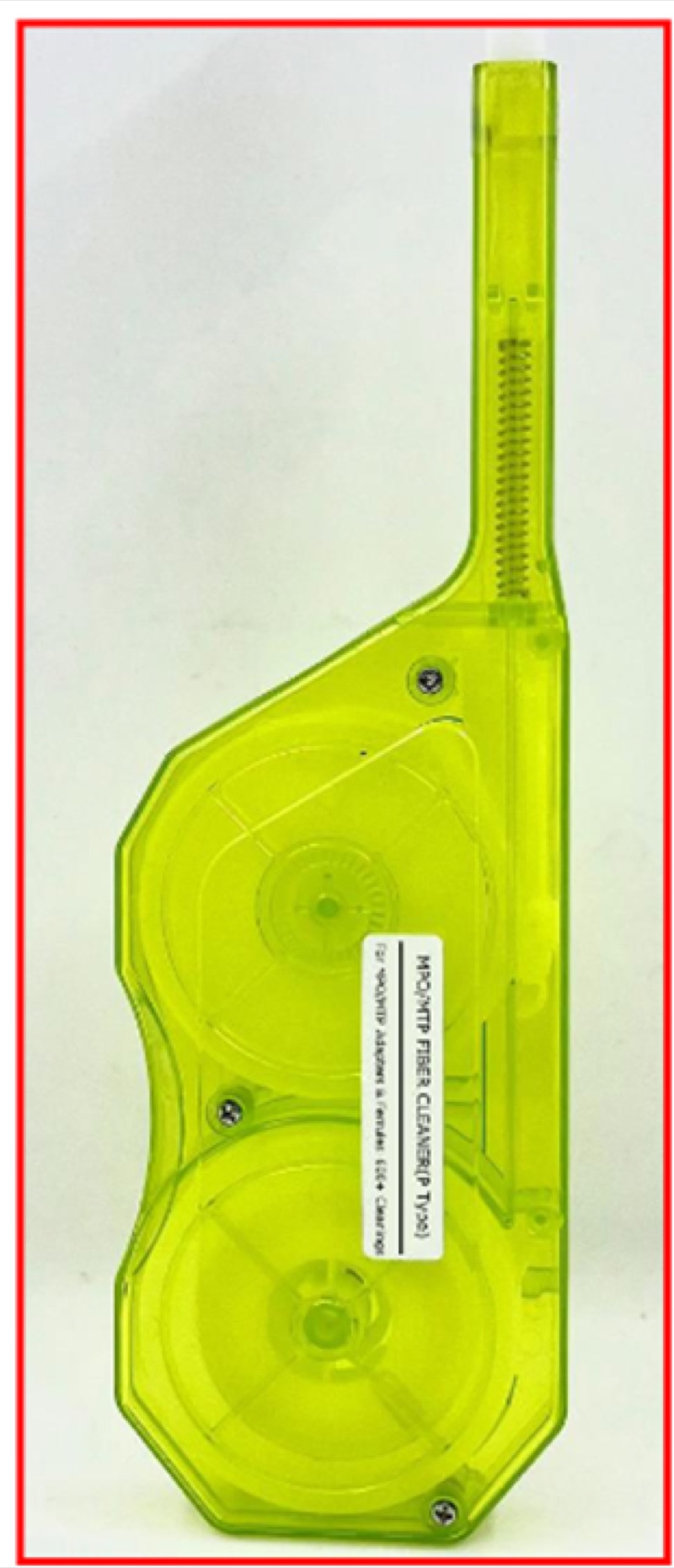
MPO endfaces accumulate contamination quickly because they cover 12 or 24 fibers at once. Clean before every mating.
Endface Inspection
Inspect every endface before mating. Required for IEC 61300-3-35 grading.
Acceptance Test Kit
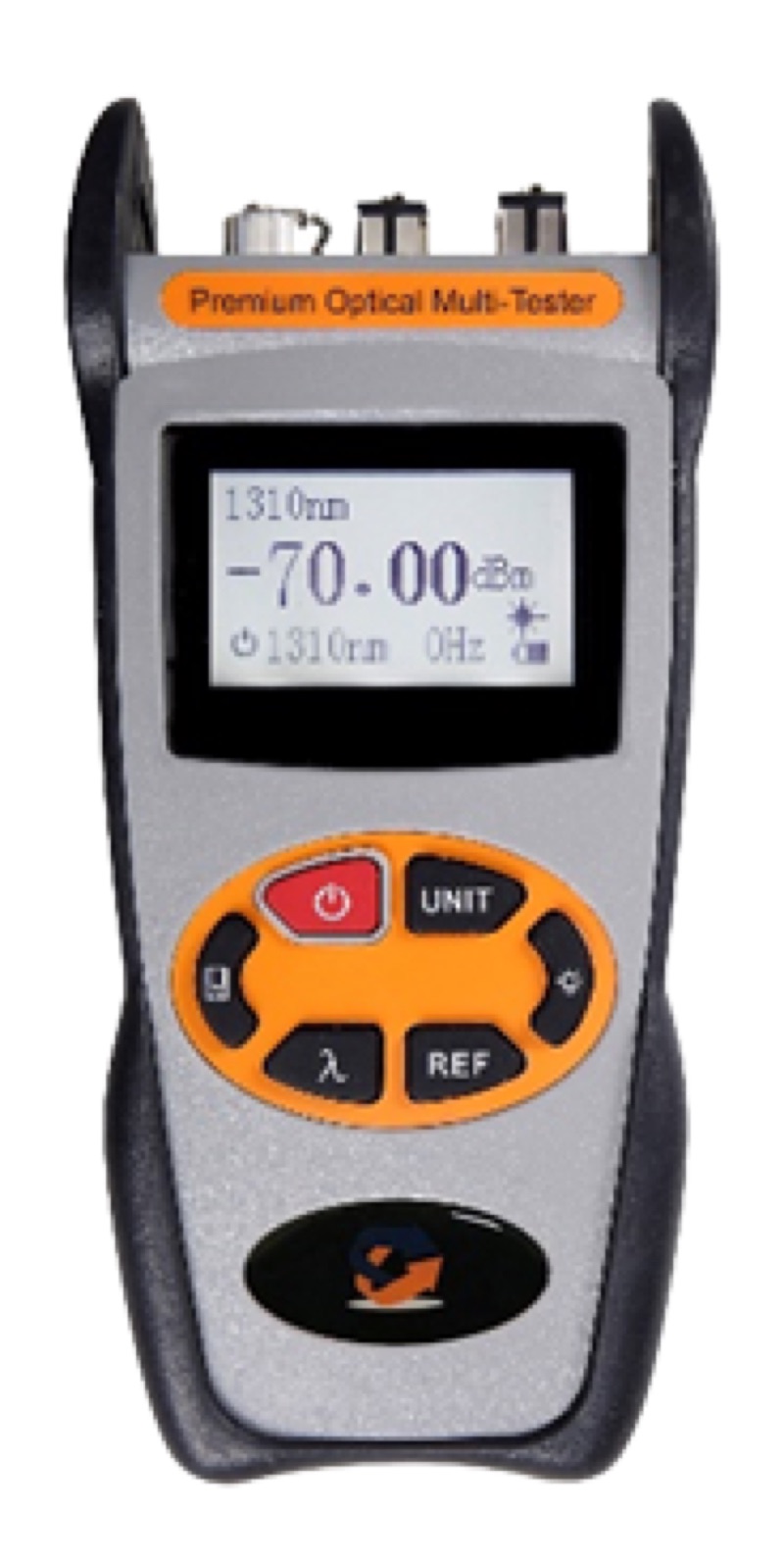
Power meter and OTDR for Tier 1 and Tier 2 certification.
Documentation Practices That Survive the Years
The cabinet plant lasts 15 to 20 years. The technician who installed it does not. The single most leveraged work product on any structured cabling job is the documentation set that lets the next generation of operators understand and maintain what was built.
- Per-cabinet labels at install. Every cabinet has a unique identifier (R12, R13, R14, etc.) printed on a durable label visible from the cold aisle.
- Per-panel labels at install. Every patch panel within a cabinet has a unique identifier (P1, P2, P3) and a fiber type identifier (OM4, OS2).
- Per-port labels at install. Every populated port has a label with its destination cabinet-panel-port reference.
- As-built diagram in the cabinet. A printed copy of the trunk routing and cassette assignments lives in a sleeve on the cabinet door. Updates to the digital source replace the printed copy at the next maintenance visit.
- Master cabling database. Every cable, every cassette, every patch cord recorded with install date, manufacturer, batch number, and acceptance test results. This is the source of truth and is backed up.
The investment in documentation at install time is roughly 5 percent of the total project labor. The return is measured in years of operational efficiency and avoided downtime.
Common Questions From Operations Teams
How many spare strands should we provision per cabinet?
A common rule of thumb is to provision 50 percent more strands than the day-one design demands. For a cabinet that needs 12 strands to support its initial deployment, pull an 18-strand or a 24-strand trunk. The marginal cost of additional strands at install is small; the cost of pulling new strands later is enormous.
Can MPO trunks be repaired in the field?
Technically yes, practically rarely. A damaged MPO connector requires field re-termination with specialized equipment, and the resulting connector typically does not match the factory-tested IL of the original. Most operators replace damaged trunks rather than repair them.
What is the recommended minimum bend radius for MPO trunks?
The cable manufacturer specifies bend radius, typically 10 times the cable diameter for installation and 15 times the cable diameter for long-term storage. Bend-insensitive fiber relaxes some of this, but cassette and panel hardware bend radius rarely exceeds 30 mm regardless of fiber type.
The Bottom Line
Structured fiber cabling in the data center is an investment in operational sanity. The MDA-IDA-HDA-EDA hierarchy isolates change to short patch cords. MPO trunk and cassette architecture delivers the density needed for 100G and 400G without the labor of field termination. Provision generously, document everything, and treat the permanent cable plant as the long-lived asset it is.
For the deeper details on MPO selection and trunk types, see MPO/MTP trunk cable in the data center. For polarity selection, see MPO polarity methods A, B, and C. For certification, see data center fiber cable certification requirements.