What "Armored" Actually Means in a Fiber Cable
Armored fiber cable adds a layer of metallic or non-metallic protection between the inner cable core (the fibers, buffer tubes, strength members, and inner jacket) and the outer cable jacket. The armor protects the fragile glass fibers inside from crushing, cutting, rodent attack, and other mechanical damage that would otherwise destroy the cable.
The most common armor types are corrugated steel tape (CST), interlocking aluminum armor, and all-dielectric armor using fiberglass rods or aramid (Kevlar) yarn. Each has different mechanical, electrical, and handling properties. The choice depends on the threat the cable will face in service and on whether the armor needs to be electrically conductive or fully dielectric.
Non-armored cable, sometimes called dielectric or all-dielectric cable, has no metallic protective layer. Its mechanical protection comes entirely from the cable's strength members (typically aramid yarn, fiberglass rods, or steel central members) and from the outer jacket. Non-armored cable is lighter, more flexible, and easier to terminate, but it is also more vulnerable to crushing and rodent damage.
Side by Side Comparison
| Property | Armored | Non-Armored |
|---|---|---|
| Crush Resistance | High (typically 220-440 N/cm) | Moderate (typically 110-220 N/cm) |
| Rodent Protection | Excellent (steel armor) | None (gophers chew through) |
| Weight | 50-100% heavier | Lighter |
| Min Bend Radius (installation) | 20x cable diameter | 15x cable diameter |
| Grounding Required | Yes (if metallic) | No |
| Termination Effort | Higher (armor must be ringed and grounded) | Lower |
| Cost Premium | +30-50% | Baseline |
| Typical Application | Direct burial, industrial, outdoor | Inside conduit, inner duct, cable tray |
Armor Types in Detail
Corrugated Steel Tape (CST)
Corrugated steel tape armor is the most common armor type for outside plant cable. A thin steel ribbon (typically 0.15 mm thick) is corrugated to add stiffness and wrapped longitudinally around the cable core, then sealed with a polyethylene outer jacket. The corrugation gives the armor flexibility for cable pulls while maintaining excellent rodent and crush protection. CST armored cable is the default for direct buried fiber in North America.
The steel tape must be electrically grounded at the entrance facility. The tape carries any induced currents from nearby power lines or fault currents from lightning strikes safely to building ground rather than back into your fiber termination point. NEC 770 requires this grounding within 50 feet of the cable entry.
Interlocking Armor
Interlocking armor uses a continuous strip of aluminum formed into helical interlocking loops around the cable. The result looks like the armor on metal-clad (MC) electrical cable. Interlocking armor offers higher crush resistance than CST and is more common in indoor industrial applications where cables run exposed in cable trays or along walls. It is also the standard for indoor armored fiber that needs to survive forklift impacts, falling tools, or other industrial hazards.
All-Dielectric Armor
For applications where any metallic content is undesirable (typically aerial cable near power lines, or cable installed in environments with stringent EMI requirements), manufacturers offer all-dielectric armored cable. The armor is fiberglass rods or high-density aramid yarn rather than steel. It provides good rodent and crush protection without the grounding requirements of metallic armor. ADSS (all-dielectric self-supporting) cable for aerial installation is the most common all-dielectric armored construction.
Double Armor
For extreme environments (heavy rodent infestation, very rocky soil, high mechanical risk), double armor cable adds two layers: typically corrugated steel tape inner armor plus interlocking aluminum or steel wire outer armor. Double armor is heavy and expensive but provides essentially indestructible mechanical protection. Used for marine cable, mining applications, and some military installations.
When Armored Cable Is Required
Direct Burial in Rodent Country
Gophers, ground squirrels, prairie dogs, and certain termite species will chew through any plastic jacket they encounter underground. The damage is not theoretical: utility outages caused by rodent damage to direct buried fiber cost the industry millions of dollars per year. In rural and suburban areas across North America, direct buried fiber must be armored. The corrugated steel tape provides a barrier that rodents cannot penetrate.
Some installers attempt to substitute non-armored cable installed in HDPE inner duct as protection. This works in some soil conditions but fails in others; gophers will sometimes chew through HDPE duct as well. The reliable solution is armored cable.
Industrial Indoor Environments
Manufacturing plants, warehouses, mining operations, and other industrial environments where cables run exposed in cable trays, along walls, or across floors need armored cable to survive accidental crush damage from forklifts, falling tools, or maintenance activity. Indoor interlocking armored cable is the standard choice.
Building Riser Pathways with Crush Risk
Some building risers and equipment rooms have cable pathways that pass through high-traffic areas or near mechanical equipment. Where there is a credible risk of cable damage, indoor armored cable provides additional protection without requiring conduit. The armor is also useful where the cable is permanently exposed and could be tampered with.
Aerial Applications (ADSS)
Aerial fiber on utility poles uses ADSS (all-dielectric self-supporting) cable, which is a form of armored cable using high-strength aramid yarn or fiberglass rods. The strength members support the cable's weight between poles. ADSS cables span up to 1000 feet between supports without messenger wires or lashing.
When Non-Armored Is the Right Choice
Inside Conduit
If the cable runs entirely inside RGS (rigid galvanized steel) conduit, EMT, or PVC schedule 40 conduit, the conduit itself provides crush, rodent, and mechanical protection. Adding armor to the cable is redundant and adds cost, weight, and bend radius problems for no benefit. Non-armored cable is the right choice for any in-conduit run.
Inside Inner Duct
Inner duct (HDPE flexible plastic conduit pulled into a larger conduit or into a directly-buried trench) provides mechanical protection for non-armored cable. The combination is lighter and easier to handle than armored cable, and the inner duct adds a future cable pathway because additional cables can be pulled into the same inner duct later. This is the most common construction for new urban and suburban fiber deployments.
Cable Tray in Controlled Environments
In data centers, telecom rooms, and equipment rooms with proper cable tray and structured cabling pathways, non-armored riser-rated or plenum-rated cable is the standard. The controlled environment minimizes mechanical risk, and the non-armored cable's lighter weight and easier handling make it the better choice.
Patch Cords and Short Jumpers
Patch cords and short fiber jumpers in the data center, equipment room, or FTTH ONT installation are always non-armored. They are too short, too flexible-needed, and too frequently moved for armor to make sense. See our patch cord catalog including the singlemode LC duplex jumper and OM4 multimode jumper.
Grounding and Bonding Armored Cable
Metallic armor must be properly grounded to comply with NEC 770 and to protect both the building and the fiber termination equipment from induced and fault currents. The grounding process involves:
- Ringing the cable jacket and exposing the armor near the cable entrance
- Attaching a bonding clamp to the armor
- Running a bonding conductor (typically #6 AWG copper) from the clamp to the building's grounding system or to a dedicated entrance facility ground bar
- Documenting the bond with the cable installation as-built records
The bond must occur within 50 feet of the cable entrance per NEC 770.100. If the cable enters the building and runs more than 50 feet before reaching the termination point, an intermediate bond may be required. Some entrance facilities use pre-fabricated cable transition assemblies that include the armor termination, bonding clamp, and ground lead.
Termination and Splicing Considerations
Armored cable takes longer to terminate than non-armored cable because the armor must be removed from the working area. The typical termination procedure:
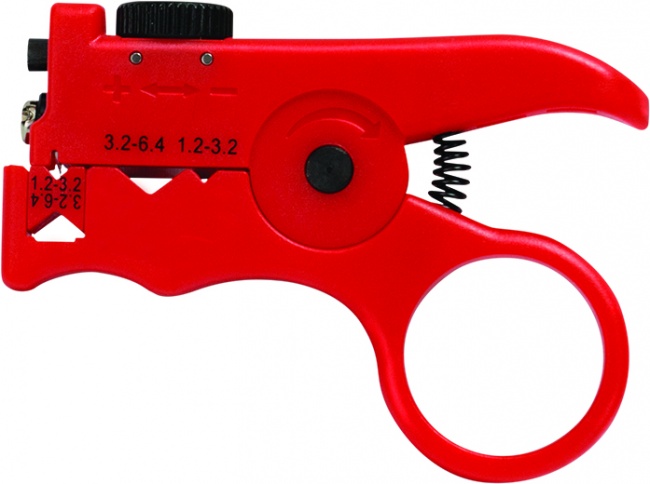
- Slit the outer jacket with a cable jacket stripper
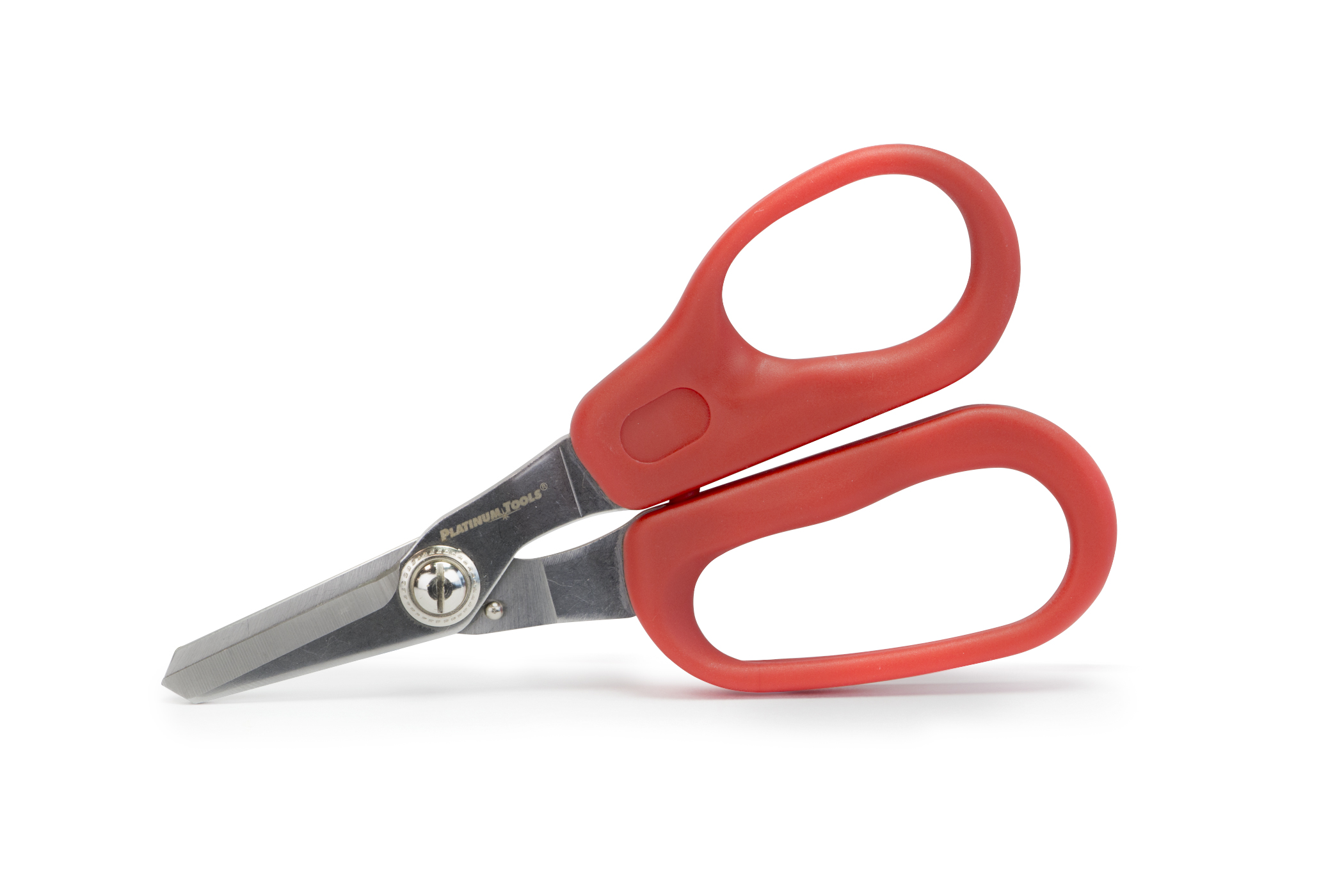
- Cut the armor with armor cutters or an armor knife (specialized tools designed for the armor type)
- Bond the armor to the termination enclosure ground per the grounding plan above
- Continue with normal fiber preparation: open the buffer tubes, separate the fibers, clean and prep for splicing or connectorization
For fusion splicing armored cable, use a splice closure designed for armored cable entry. The closure has armor bonding hardware and gel-blocked or heat-shrink seals that maintain the cable's environmental rating after the splice. For more on splicing see our best fusion splicers guide and the fusion splicer we stock.
For mechanical splicing or field-installed connectors, the procedure is similar minus the splice closure: terminate to a wall-mount enclosure or rack-mount panel that includes armor bonding hardware and a ground lug.
Bend Radius and Handling
Armored cable has a tighter minimum bend radius than non-armored cable of equivalent fiber count. The armor itself does not bend as freely as the inner cable core, and forcing the cable below the minimum bend radius can damage the fibers inside, kink the armor, or both. Typical specifications:
- Long-term installed bend radius: 10x cable outer diameter for armored, 7-10x for non-armored
- Short-term installation bend radius (during pulling): 20x cable outer diameter for armored, 15x for non-armored
For a typical 96-strand armored outside plant cable with an outer diameter of 18 mm, the long-term bend radius is 180 mm (about 7 inches) and the installation bend radius is 360 mm (about 14 inches). Splice closures and pull boxes must be sized to accommodate these radii without forcing tighter bends. For bend-insensitive fiber that improves performance at tight bends see our bend-insensitive fiber guide.
Cost and Specification Tradeoffs
Armored cable typically costs 30-50 percent more per meter than equivalent non-armored cable. For a long outside plant run (kilometers), the incremental cost is significant. Justify armor based on actual risk:
- Direct buried in rodent territory: Armor pays for itself the first time it prevents an outage.
- Inside conduit in urban setting: Armor is overkill. Use non-armored.
- Building riser with traffic exposure: Armor adds reliability worth the cost premium.
- Aerial pole route: ADSS armored is required for self-support.
- Data center patch field: Non-armored. Armor adds no value.
For a campus or FTTH design, use armored cable for the outside plant trunk segments and non-armored for the indoor distribution and patch cords. The transition typically happens at the entrance facility splice or termination, where the armored OSP cable terminates and indoor non-armored pigtails connect to the equipment.
Frequently Asked Questions
When is armored fiber cable required?
Armored fiber cable is required for direct burial in rodent-prone areas, in industrial environments where mechanical damage is likely, in some indoor armored applications where the cable is exposed and could be crushed or cut, and in any application where building codes or owner specifications mandate it. Direct buried cable in rural and suburban areas where gophers, ground squirrels, or termites are present should always be armored.
Does armored fiber cable need to be grounded?
Yes if the armor is metallic (corrugated steel tape or interlocking aluminum). The armor is conductive and can carry induced or fault currents, so it must be bonded to the building grounding system at the entrance facility per NEC 770. All-dielectric armored cable using fiberglass rod or aramid yarn does not require grounding.
What is the difference between corrugated steel tape and interlocking armor?
Corrugated steel tape (CST) armor is a thin steel ribbon wrapped longitudinally around the cable core, providing rodent and impact protection while remaining flexible enough for direct burial pulls. Interlocking armor uses a continuous strip of aluminum formed into interlocking helical loops around the cable, providing higher crush resistance and easier indoor handling.
Can armored cable be used inside a building?
Yes, indoor armored cable is available with riser (OFCR) and plenum (OFCP) jacket ratings. The "C" in the jacket designation indicates conductive (metallic armor present). Indoor armored cable must still be grounded if the armor is metallic. Interlocking aluminum armor is the most common indoor armored construction.
Is ADSS cable considered armored?
ADSS (all-dielectric self-supporting) cable is technically armored using non-metallic strength members (aramid yarn or fiberglass rod) instead of steel. It provides mechanical protection equivalent to steel-armored cable for aerial applications without the grounding requirements. ADSS is the standard for utility pole aerial fiber installations.
Related Reading
- Loose Tube vs Tight Buffered Fiber -- the construction underneath the armor.
- Fiber Cable Construction Explained Layer by Layer -- everything from core to outer jacket.
- Fiber Cable Jacket Types: OSP vs ISP -- jacket selection for code-compliant installations.
Shop Fiber Splicing and Termination Tools
Fusion splicers, splice closures, and the tool kits to terminate armored or non-armored cable in the field.