
Fiber Optic Test Equipment: OTDRs, Power Meters, and Inspection Tools
Optical power meters, OTDRs, VFLs, and fiber inspection microscopes for field testing.
ShopFiberOptic's test equipment category covers fiber optic testing from end-face inspection through full end-to-end OTDR characterization. For live PON network testing, power meters range from a standard XGS/GPON meter to a 25G PON model. The Fiber Ranger Mini OTDR handles fault location on short fiber spans. For connector inspection, the WiFi/USB Fiber Inspection Microscope provides IEC 61300-3-35 pass/fail results via smartphone.
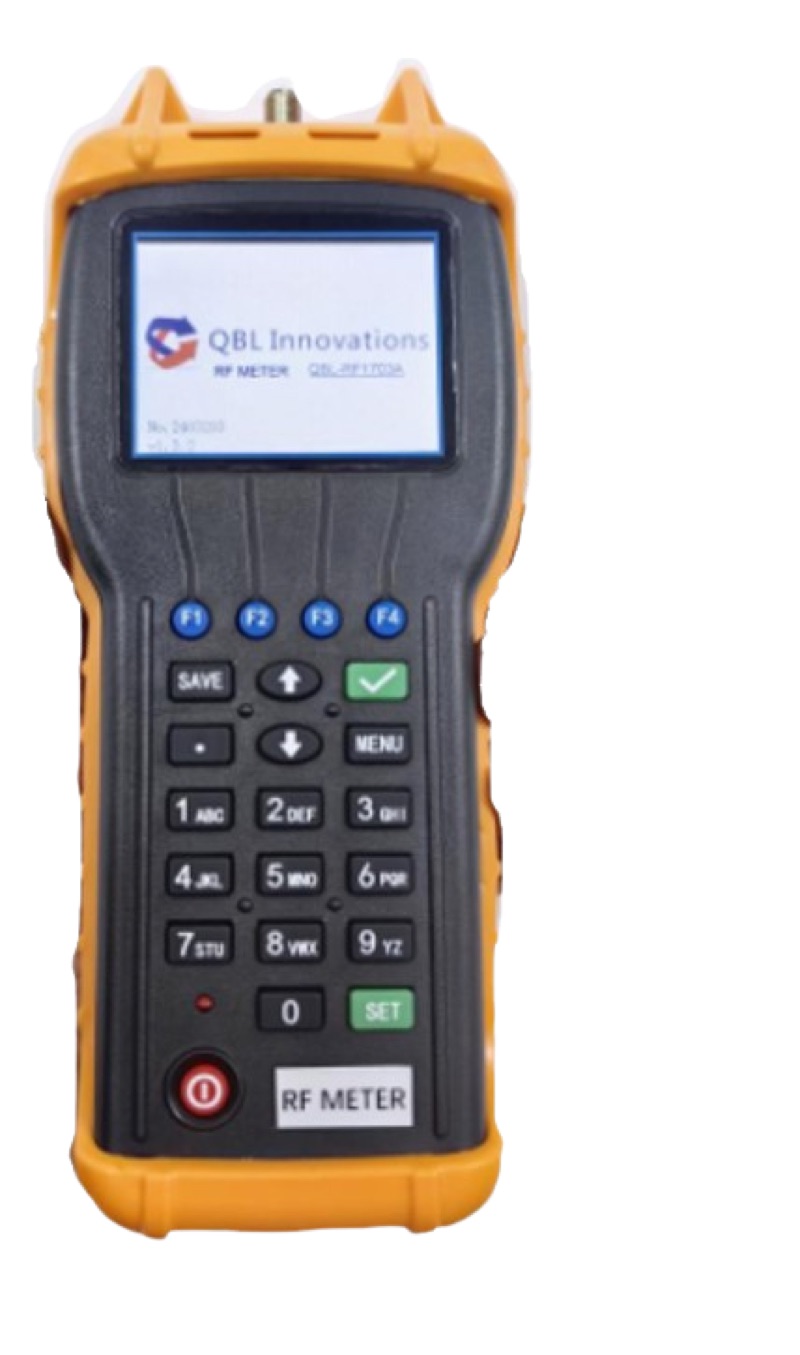
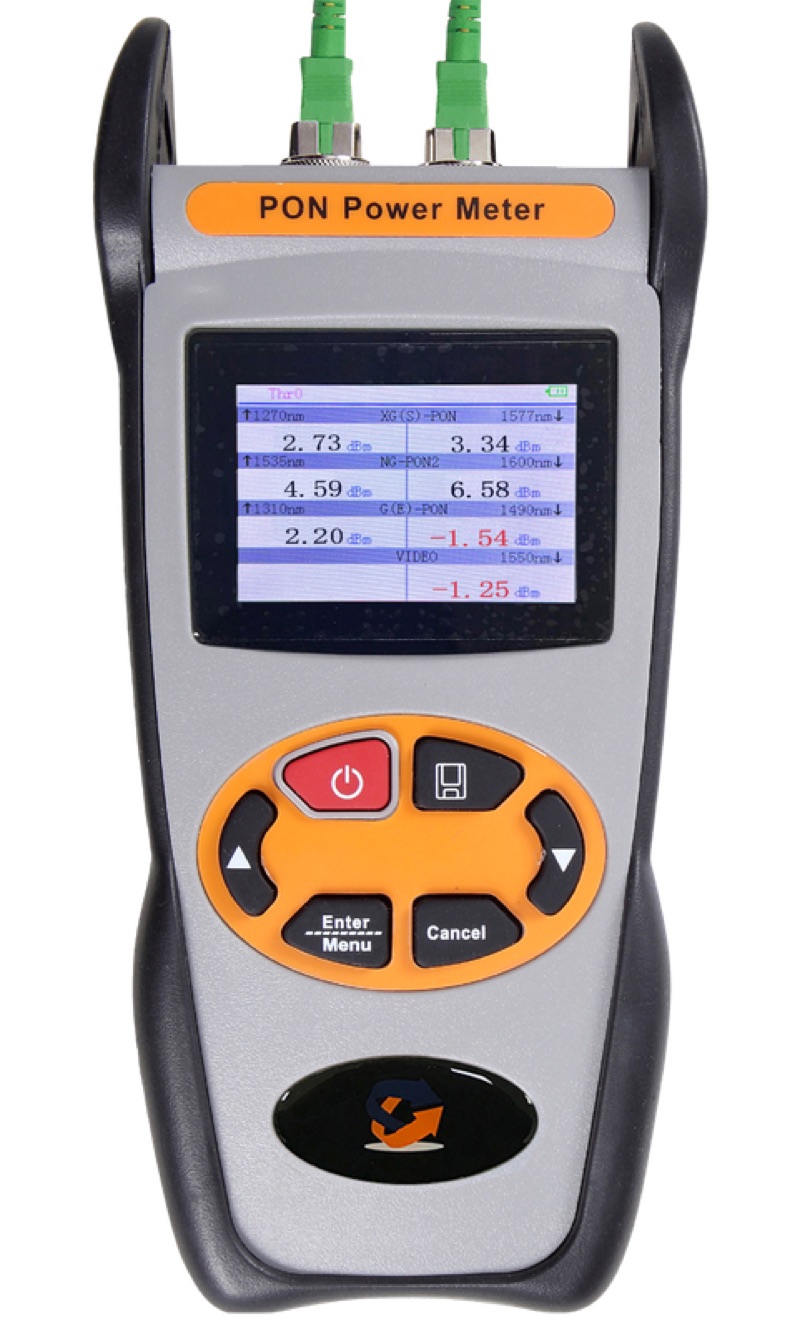
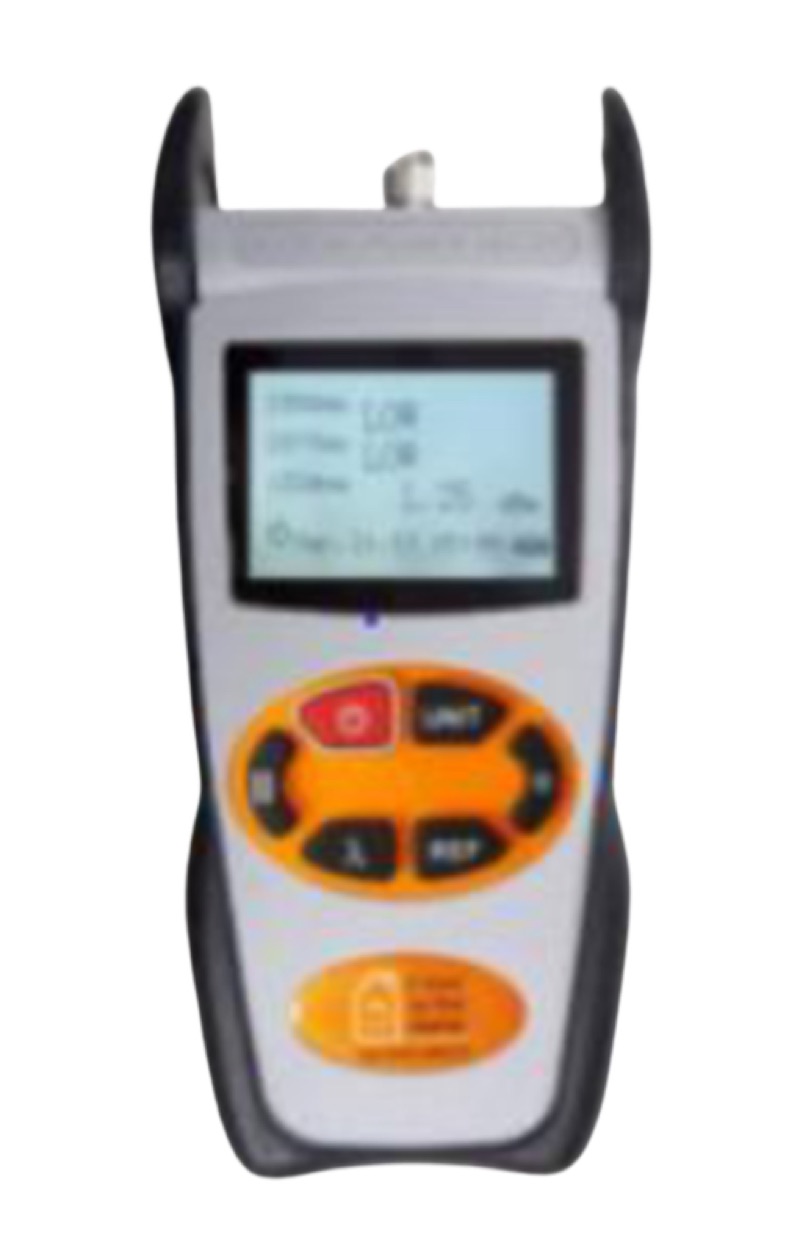
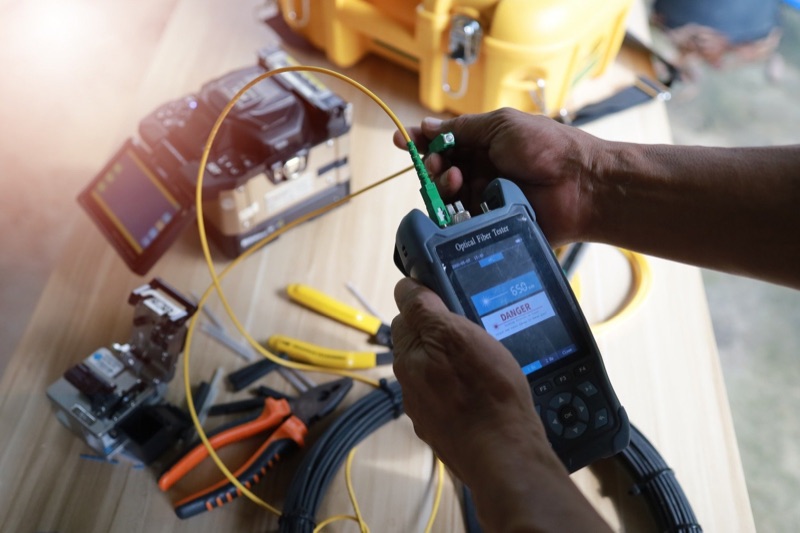
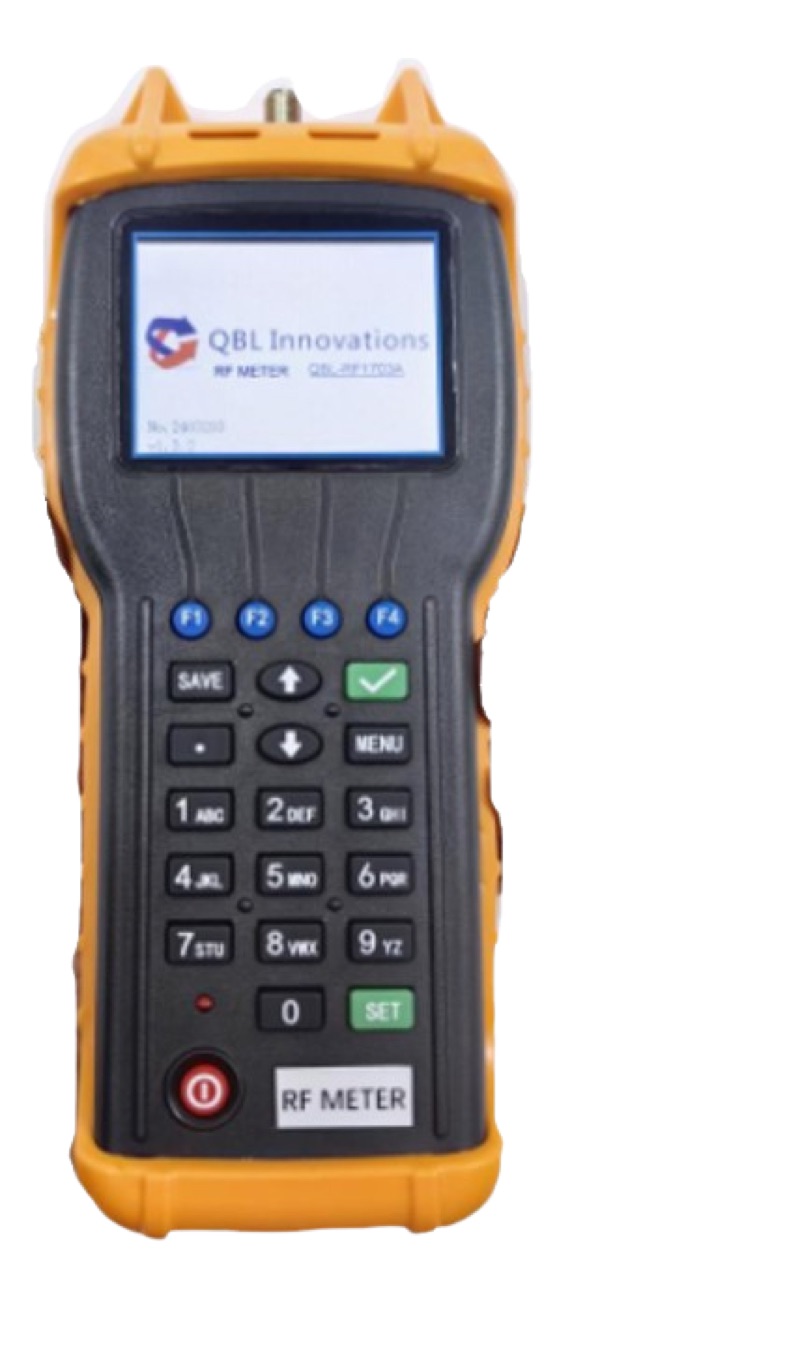




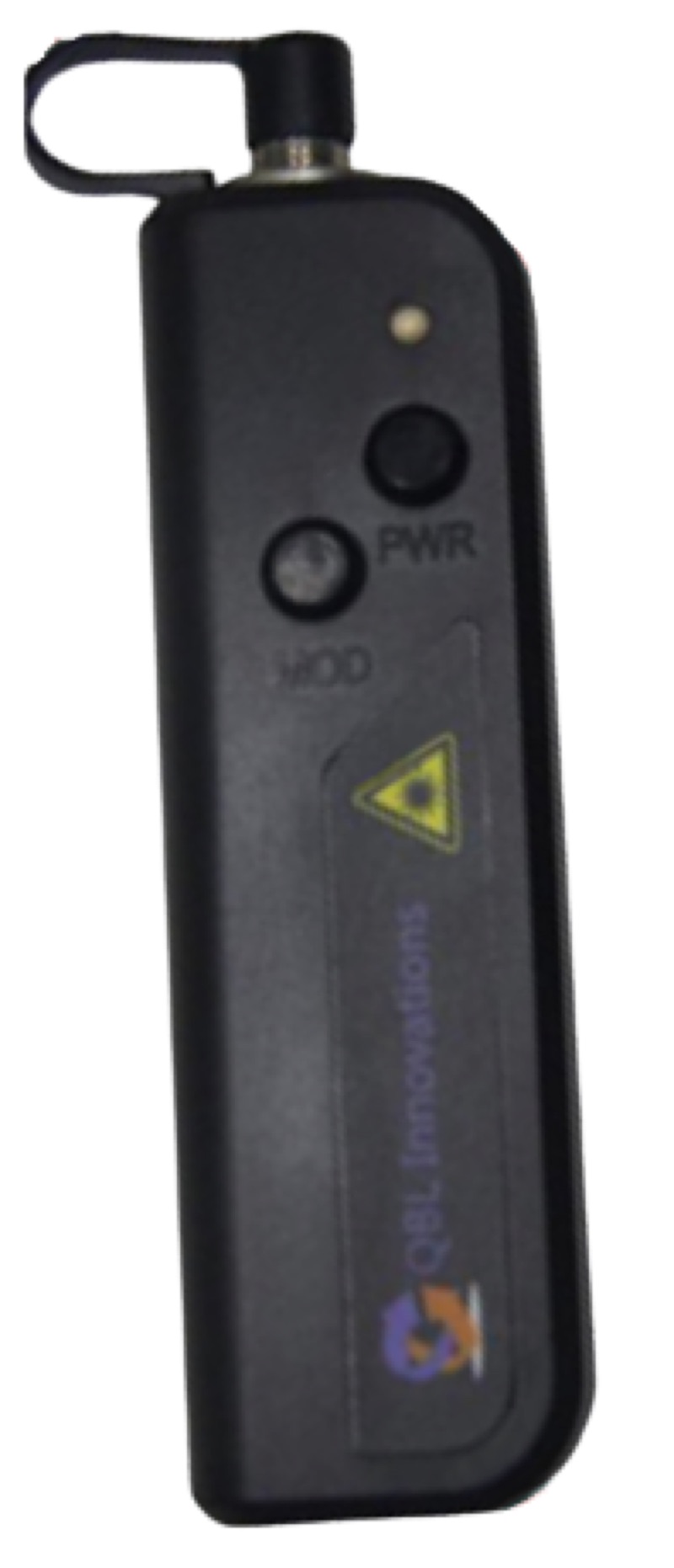
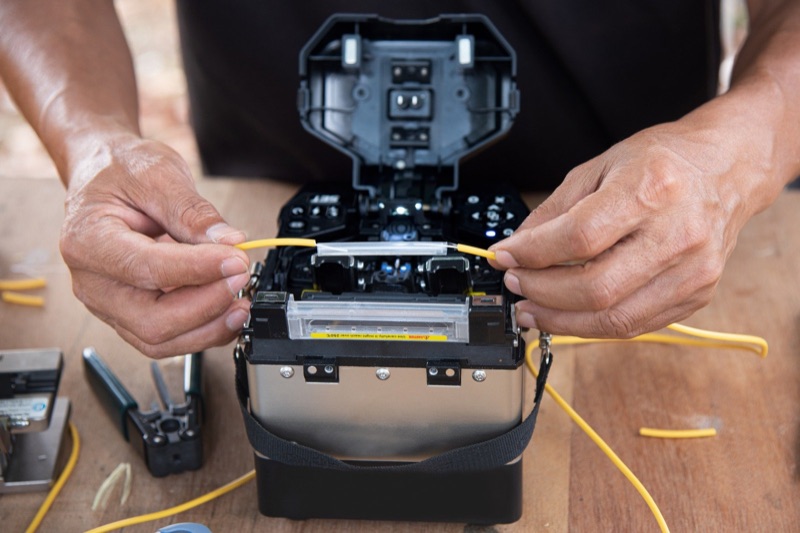
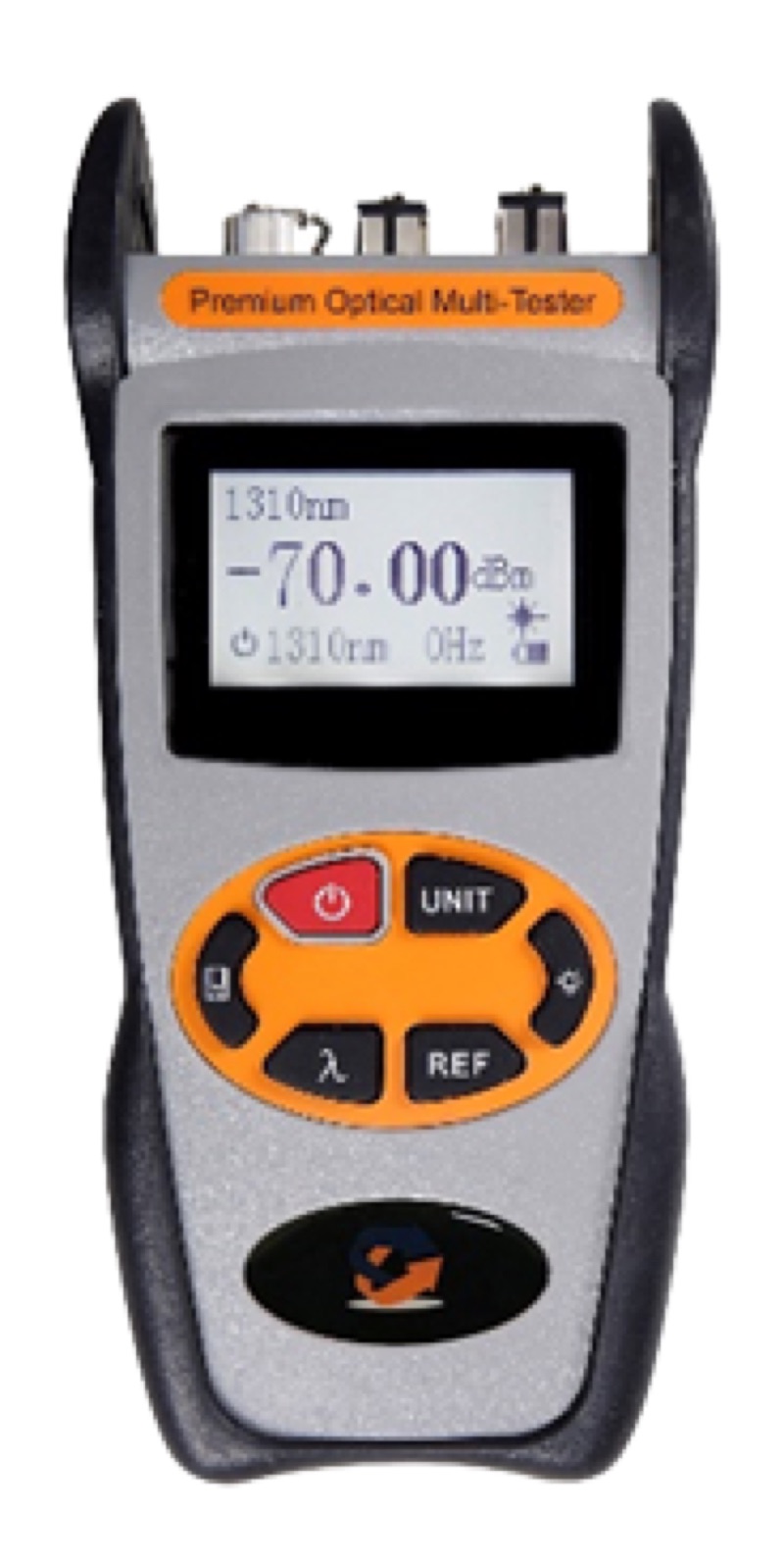
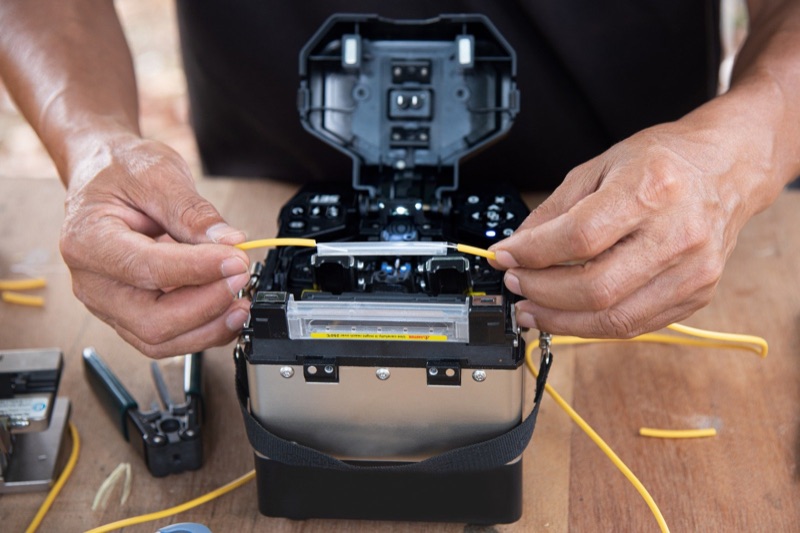


Choosing the right fiber test equipment depends on what type of network you are testing and what you need to prove.
Power meters measure optical power levels at a receiver or after a span. Our catalog includes a range specifically for PON applications:
- Optical Power Meter with LC Adapters ($339.99): general-purpose single-mode and multimode power measurements.
- XGS/GPON Power Meter ($484.99): reads the upstream and downstream wavelengths on GPON and XGS-PON networks simultaneously, which is essential for FTTH technicians testing live ONT ports without disrupting service.
- 25G PON Power Meter ($1,059.99): adds XGS-PON and NG-PON2 wavelength coverage for carriers deploying 25G PON infrastructure.
- XGS/NG-PON2 Power Meter Pro ($1,639.99): the full multi-wavelength option for advanced PON characterization.
OTDRs and fault locators:
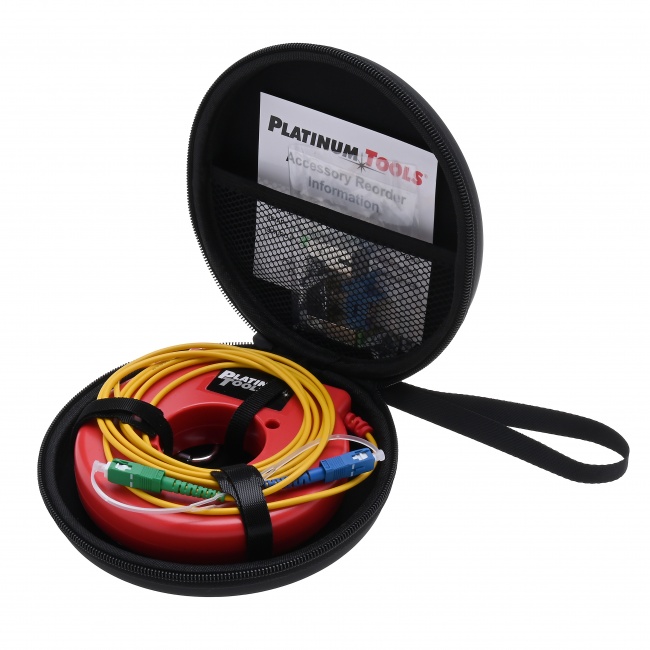
- Fiber Ranger Mini OTDR ($579.99): compact form factor for FTTH drop and short-span fault location. ShopFiberOptic's blog covers OTDR pulse width selection for FTTH drop testing in detail.
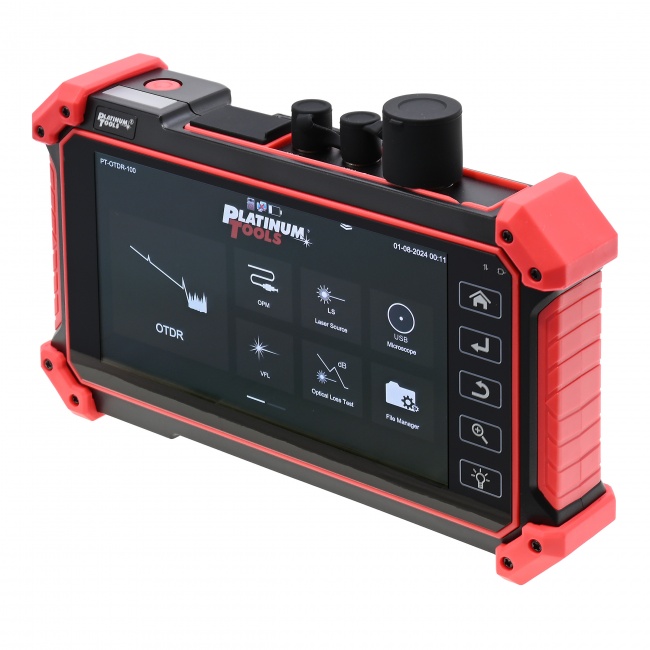
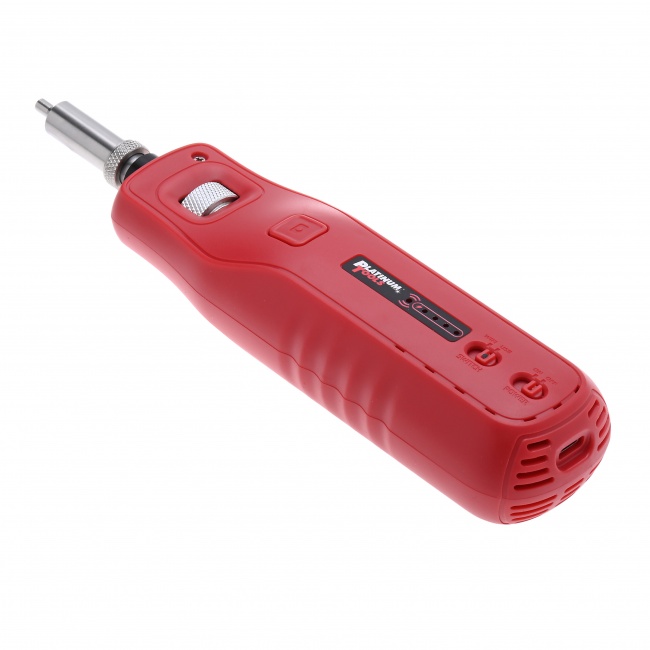
- Platinum Tools PT-OTDR-100 ($931.77): combined mini OTDR and copper tester, useful for contractors who work on both fiber and copper infrastructure.
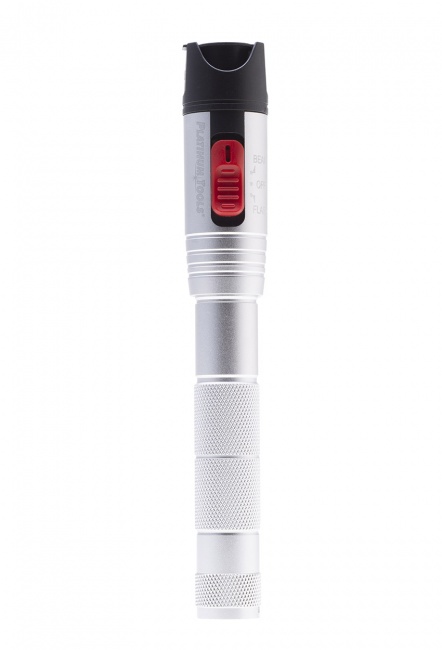
- Visual Fault Locators: available in 5km pen ($104.99), 5km mini ($104.99), 20mW pocket ($139.99), and 30km pen ($174.99) versions.
Inspection and identification:
- Optical Fiber Identifier ($539.99): identifies live fiber and detects traffic direction without breaking the link.
- WiFi/USB Fiber Inspection Microscope ($1,249.99): smartphone-connected scope for IEC 61300-3-35 end-face inspection.
- Inspection tips for LC/APC male and female connectors are also stocked separately.
Frequently Asked Questions
What is the best OTDR for FTTH testing?
For FTTH drop testing (typically 100m to 3km spans), a mini or handheld OTDR is the practical choice. The Fiber Ranger Mini OTDR ($579.99) is built for this application with a compact form factor and the dynamic range needed for FTTH drop characterization. For longer spans or backbone testing, a full-range OTDR with higher dynamic range is required.
What OTDR pulse width setting should I use?
Pulse width controls the trade-off between OTDR dynamic range and dead zone length. Shorter pulse widths (5ns to 10ns) give better spatial resolution for resolving closely spaced events but reduce maximum reach. Longer pulse widths (1 microsecond or more) extend reach but increase the dead zone. For FTTH drop testing, a short pulse width is preferred. ShopFiberOptic's blog covers OTDR pulse width selection in detail.
Do I need a PON power meter instead of a standard power meter for GPON/XGS-PON testing?
Yes, for live PON testing. Standard optical power meters measure at a single wavelength. PON networks multiplex traffic on multiple wavelengths (1310nm upstream, 1490nm downstream for GPON; different wavelengths for XGS-PON). A PON-specific meter reads all relevant wavelengths simultaneously, allowing you to test a live port without disconnecting the ONT.
What is an optical fiber identifier and when do I use it?
A fiber identifier is a non-destructive tool that clamps over a fiber and detects the traffic traveling through it by sensing the evanescent field. It tells you which fiber in a bundle is active, what direction traffic is flowing, and whether the fiber has traffic or is dark. It is used for identifying specific fibers in a multi-fiber cable before patching or splicing.